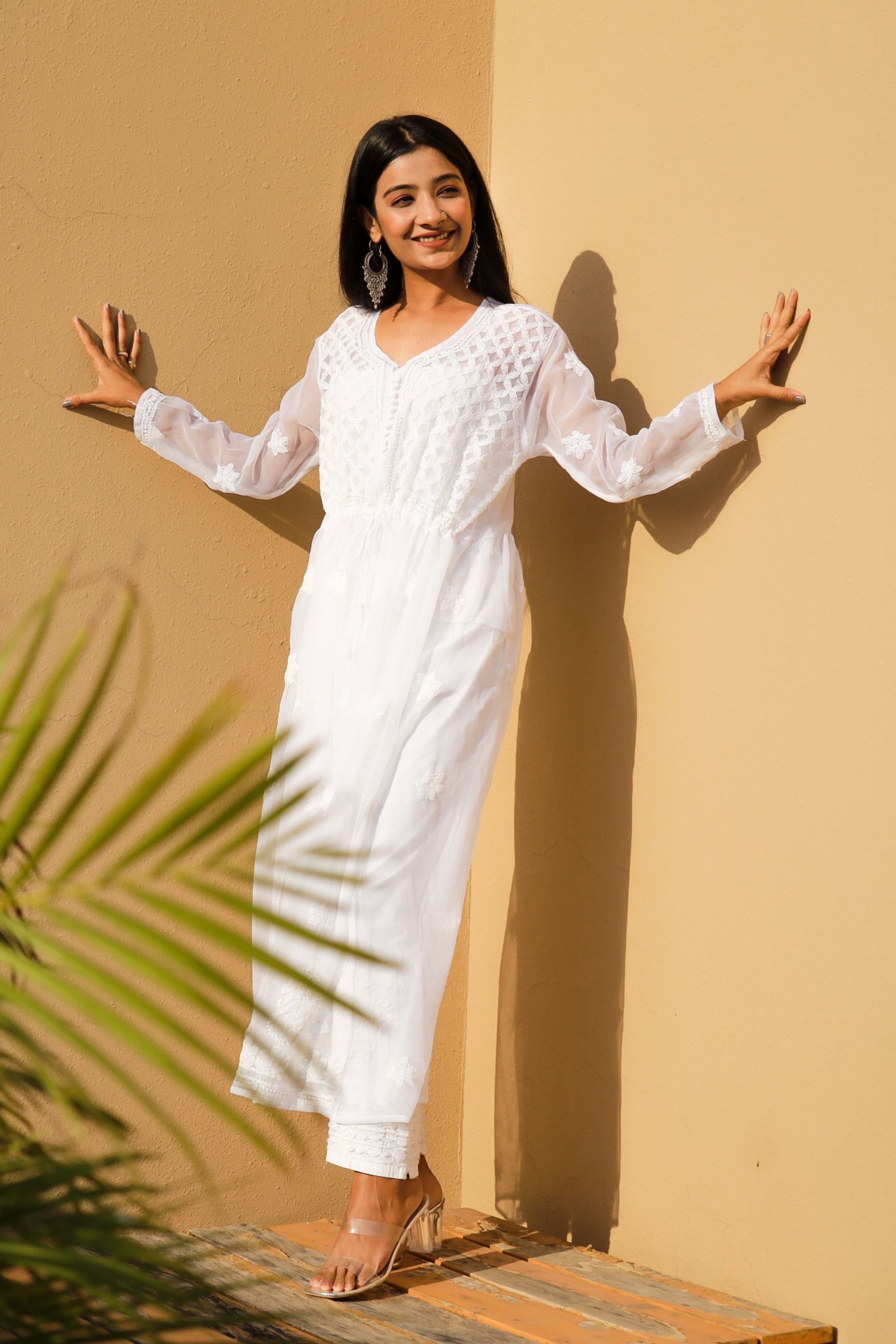
Style · 6 min read · 16 October 2026
Chikankari Suits: Styles, Fabrics and How to Wear Them
Everything that goes into a Chikankari suit set, and how to choose one for work, festivals and weddings.
Style · 6 min read · 16 October 2026
Everything that goes into a Chikankari suit set, and how to choose one for work, festivals and weddings.
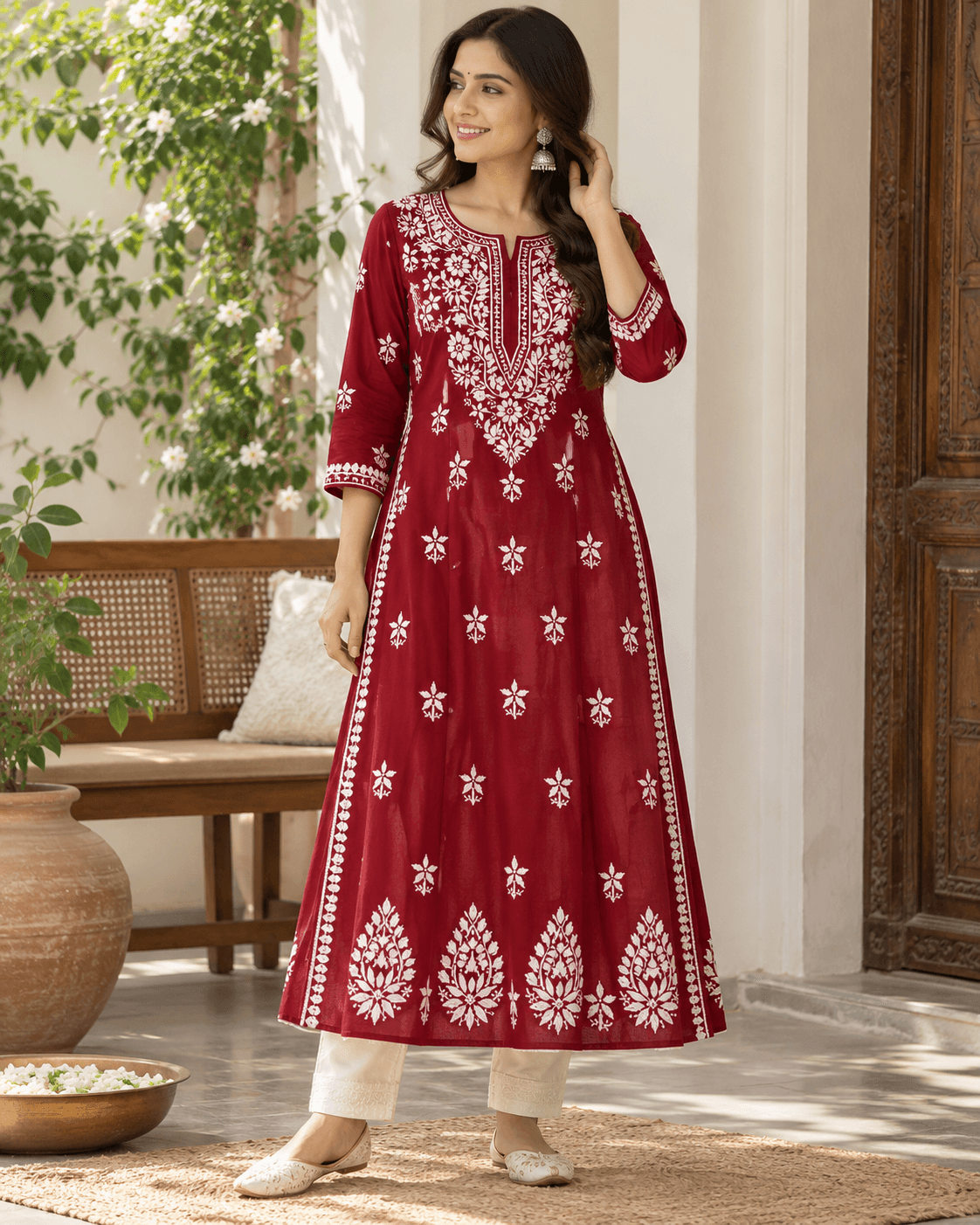
A Chikankari suit is the complete, coordinated version of Lucknawi dressing: a hand-embroidered kurta worn with matching bottoms, and — in most sets — a dupatta cut and finished to go with it. Because every piece is designed together, a suit set is the simplest way to look considered for an occasion without assembling separates yourself.
The word 'suit' in India usually means the three-piece salwar-suit idea — kurta, bottom and dupatta — rather than a tailored Western suit. In Chikankari, that translates into a huge range: straight-cut kurtas with cigarette pants for a clean look, A-line and nayra cuts with palazzos for flow, and fuller silhouettes with shararas or churidars for festive wear.
Fabric sets the mood. Soft cottons and mulmul keep a suit light and breathable for daily and office wear; rayon drapes fluidly; chanderi and georgette feel dressier and catch the light for celebrations. Always confirm the exact fabric of both the kurta and the bottoms on the product page, and check whether the dupatta is included and how its edges are finished.
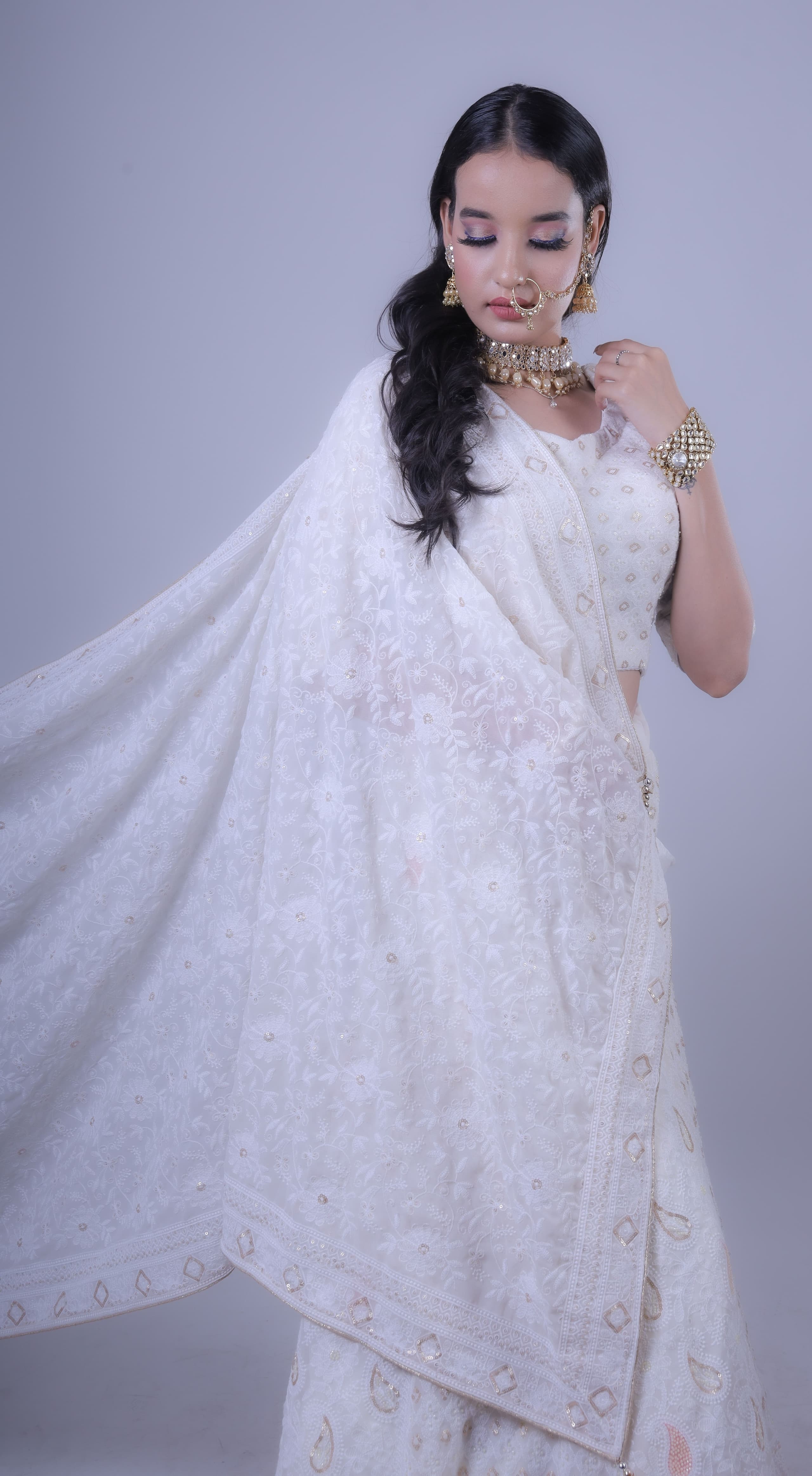
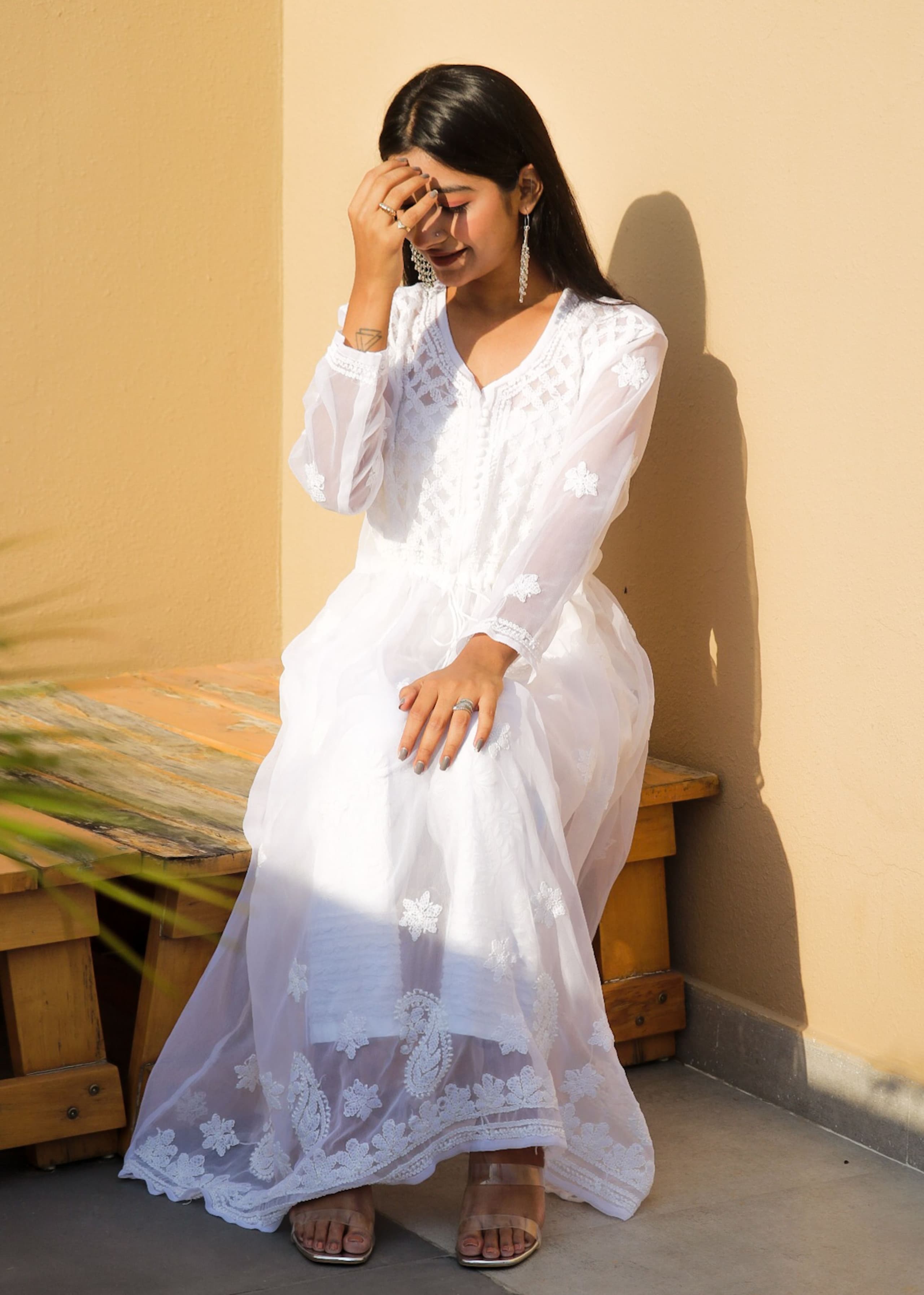
For occasion, match the density of the embroidery to the event. A lightly worked white or pastel suit is perfect for the office or a daytime gathering; denser thread-work, a worked dupatta and a richer colour move the same shape into festive and wedding territory.
Fit is worth getting right across all three pieces. Go by the garment measurements rather than the size letter, size up if you are between sizes for an easy drape, and remember the bottom style changes everything — straight pants read minimal, palazzos and shararas read festive.
Styling a suit is easy because it is already coordinated: add jhumkas, a few bangles and juttis, and you are done. If the dupatta is plain, swap in a contrast one to change the whole mood for a different event. Care is the same as any fine Chikankari — wash cold or dry-clean the delicate fabrics, dry in shade, and store folded in muslin.
Written by Sughari Atelier. Questions are welcome.
Keep reading
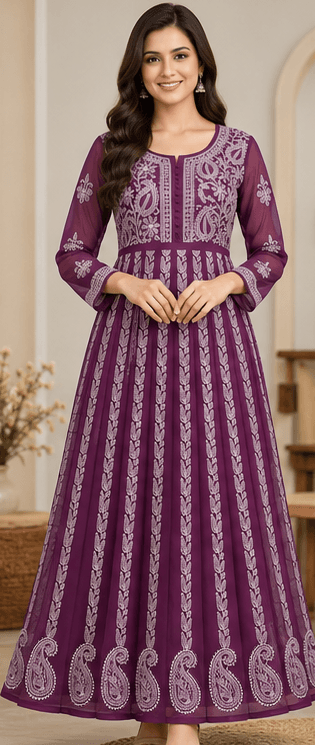
Why the flowing Anarkali is the most-loved festive silhouette in Chikankari — and how to choose yours.
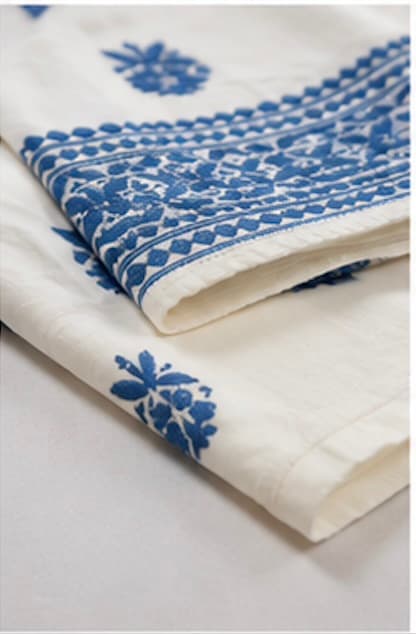
How the base fabric changes the look, feel and price of a Chikankari piece — and which to choose.
From the collection